
Setouchi Region, Japan
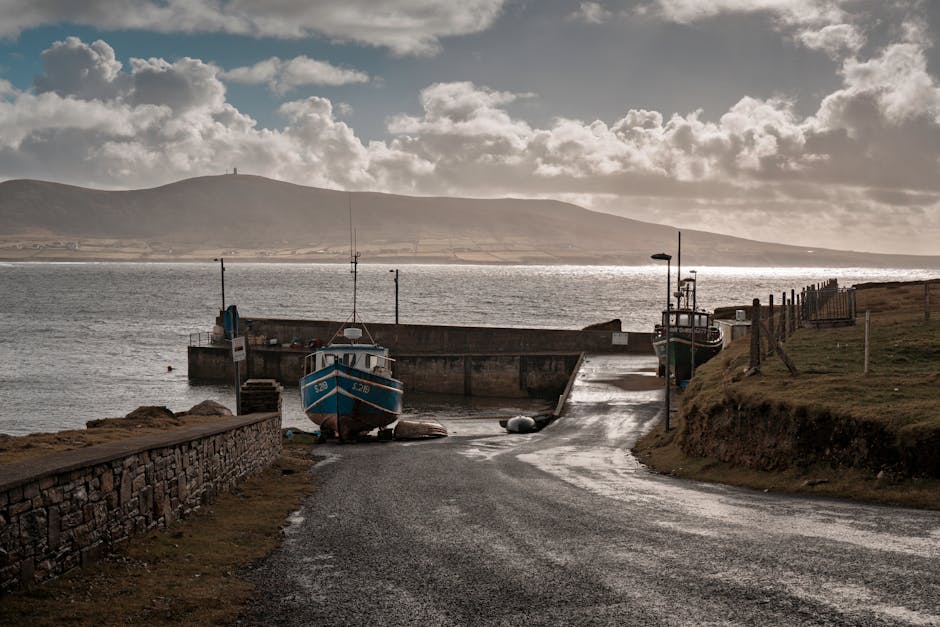
If Tokyo’s pace wears you down, Setouchi is your antidote. This coastal stretch in western Japan feels like a deep exhale quiet islands strung across the Seto Inland Sea, dotted with fishing towns, open air galleries, and gardens where time barely moves. It’s the place where minimalism meets nature, and both tell you to slow down.
Setouchi is best known for its island hopping culture. Ferries connect places like Naoshima and Teshima, where world class art installations share space with citrus groves and sleepy harbors. Rather than rushing between landmarks, people linger here slurping fresh udon, browsing local pottery, or watching the sunset dip below a Shinto shrine floating on the water.
This is the kind of travel that doesn’t need itineraries just good shoes, an open mind, and maybe a sketchbook. Perfect for artists, readers, and anyone looking to trade hustle for headspace.
Discover more hidden gems in Japan: Exploring Japan Beyond Tokyo: Hidden Spots You Can’t Miss
Lviv, Ukraine
Lviv wears its history without trying too hard. Cobbled streets, Austro Hungarian facades, and onion domed churches tell stories older than most nations. The city has endured wars, occupations, and revolutions but still greets visitors with open doors and warm coffee.
What makes Lviv stand out now is its vibrant street life and creative rhythm. Sidewalk bookstalls, live jazz near the opera house, and cafes that double as poetry clubs or design studios it’s a city where routine casually overlaps with expression. The coffee culture runs deep here, too. Order a strong cup in one of the city’s atmospheric cellars or tucked away courtyards, and lose an hour or two in conversation or thought.
Prices remain reasonable, making it a smart choice for travelers who want longer stays without breaking the bank. But beyond cost, what hooks people is the community. There’s a sense of momentum here: artists, coders, and chefs reimagining post war, post crisis Ukraine from the inside out. Whether you’re sketching baroque balconies or soaking in political poetry at a dive bar, Lviv invites you to stay a little longer and tune in.
Salento, Colombia
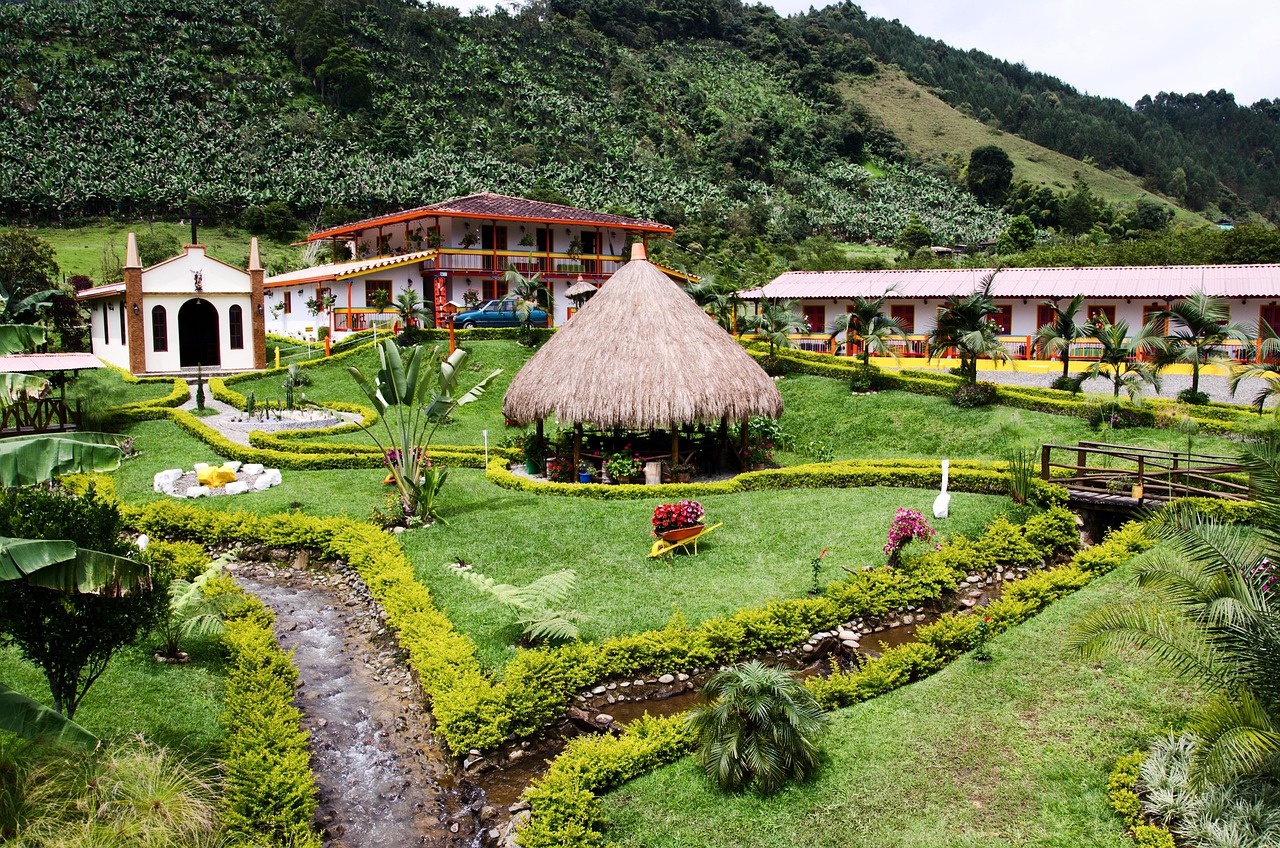
Tucked into Colombia’s lush coffee axis, Salento is a small town that knows how to punch above its weight. Rolling hills stretch into misty trails, punctuated by technicolor homes and quiet plazas that feel frozen in time. But don’t let the sleepy vibe fool you this is active territory. The Cocora Valley is the main draw: home to the tallest wax palms in the world and hiking trails that pull you into the clouds.
Plenty of travelers come for the coffee and stay longer than planned. The region’s fincas (working coffee farms) offer not just world class brews, but hands on lessons in the planting, harvesting, and roasting process. It’s experiential travel with a kick of caffeine.
Whether you’re trekking through Andean fog or sipping Arabica under a tin roof, Salento hits a rare combination: peaceful, grounded, and just remote enough to still feel like a discovery.
Luang Prabang, Laos
Luang Prabang moves at its own pace and that’s the point. Unlike its bustling Southeast Asian neighbors, this UNESCO listed town keeps things quieter, simpler, and more rooted in the rhythms of local life. Here, saffron robed monks walk the streets at sunrise. Crumbling French colonial facades sit shoulder to shoulder with golden Buddhist temples. The Mekong laps along the shoreline, casting warm light across longtail boats and sleepy cafés.
This is where you go to log off and breathe. There’s no rush, no FOMO. Instead, think silent mornings at temple steps, handwoven textiles from night markets, and slow dinners by the river. The spiritual pull is steady and sincere it’s a place that invites reflection without trying too hard.
Vloggers seeking soul, not spectacle, will find something magnetic here. It’s not just content it’s context. And in a world of constant noise, that matters.
Eastern Algarve, Portugal
If the western Algarve feels a bit too polished, its eastern sibling is the antidote. Here, time moves slower. Gone are the mega resorts and package deal bustle what’s left are small fishing towns like Olhão and Tavira, where locals still haul in the day’s catch and cafes serve octopus the way their grandmothers did. The beaches stretch out wild and mostly empty, especially outside July and August. Think soft dunes, salty air, and long walks with more seagulls than selfie sticks.
It’s the kind of place that doesn’t beg for attention. But if you’re a traveler who prefers bare feet over beach clubs, and grilled sardines over imported cocktails this southern edge of Portugal speaks your language. Quiet beauty, lived in culture, and coastal roots that haven’t sold out. Eastern Algarve isn’t trying to be trendy, which is exactly why it’s worth your time.
 Ask Lucy Odumsting how they got into travel tips and guides and you'll probably get a longer answer than you expected. The short version: Lucy started doing it, got genuinely hooked, and at some point realized they had accumulated enough hard-won knowledge that it would be a waste not to share it. So they started writing.
What makes Lucy worth reading is that they skips the obvious stuff. Nobody needs another surface-level take on Travel Tips and Guides, Vacation Planning Resources, Traveler Stories and Experiences. What readers actually want is the nuance — the part that only becomes clear after you've made a few mistakes and figured out why. That's the territory Lucy operates in. The writing is direct, occasionally blunt, and always built around what's actually true rather than what sounds good in an article. They has little patience for filler, which means they's pieces tend to be denser with real information than the average post on the same subject.
Lucy doesn't write to impress anyone. They writes because they has things to say that they genuinely thinks people should hear. That motivation — basic as it sounds — produces something noticeably different from content written for clicks or word count. Readers pick up on it. The comments on Lucy's work tend to reflect that.
Ask Lucy Odumsting how they got into travel tips and guides and you'll probably get a longer answer than you expected. The short version: Lucy started doing it, got genuinely hooked, and at some point realized they had accumulated enough hard-won knowledge that it would be a waste not to share it. So they started writing.
What makes Lucy worth reading is that they skips the obvious stuff. Nobody needs another surface-level take on Travel Tips and Guides, Vacation Planning Resources, Traveler Stories and Experiences. What readers actually want is the nuance — the part that only becomes clear after you've made a few mistakes and figured out why. That's the territory Lucy operates in. The writing is direct, occasionally blunt, and always built around what's actually true rather than what sounds good in an article. They has little patience for filler, which means they's pieces tend to be denser with real information than the average post on the same subject.
Lucy doesn't write to impress anyone. They writes because they has things to say that they genuinely thinks people should hear. That motivation — basic as it sounds — produces something noticeably different from content written for clicks or word count. Readers pick up on it. The comments on Lucy's work tend to reflect that.