
Why Look Beyond Tokyo in 2026
Tokyo has a pull it’s electric, layered, cinematic. But spend more than a few days there and the crowds, the prices, and the pace start to wear you down. That’s when it’s time to look beyond. Japan’s magic isn’t confined to one megacity. It thrives in quiet alleyways of old towns, in misty valleys that never make it onto tour itineraries, and in coastal corners where time slows down.
Escaping the Tokyo bubble means embracing authenticity. It means swapping high rise neon for wooden ryokans, convenience store sushi for mountain foraged meals, and fast paced metros for meditative hikes. Travelers willing to step off the popular route end up discovering local life unfiltered and unhurried.
There’s also a budget bonus. While Tokyo’s top neighborhoods eat through yen fast, many lesser known regions offer rich experiences for half the cost. And fewer tourists means no lines, real conversations, and a kind of travel that feels more personal.
If you’re the kind of explorer who likes your adventure a little gritty, a little quiet, and a lot more real Japan beyond Tokyo is waiting.
Kanazawa: Art, Tradition, and Samurai Streets
Often labeled “Little Kyoto,” Kanazawa delivers centuries old beauty minus the shoulder to shoulder crowds. This coastal city blends classic Japan with a quiet, confident charm. Here, tradition isn’t staged it’s lived.
Start at Kenrokuen Garden, considered one of Japan’s top three landscape gardens. Think stone bridges, koi filled ponds, and cherry trees that explode in spring. Just a short walk away is the 21st Century Museum of Contemporary Art, where sleek design meets boundary pushing installations. It’s a heady contrast to the nearby Nagamachi samurai district, where preserved clay walled alleys and samurai residences take you straight into feudal Japan.
The sweet spot to visit is spring (late March to April) when sakura bloom along canals, or autumn (October to November), when the city glows in red and gold. It’s a place that holds still while the world rushes by and that’s the pull.
Naoshima: Japan’s Contemporary Art Island
Once a sleepy fishing community, Naoshima has reinvented itself as a minimalist utopia for modern art lovers. Tucked into the Seto Inland Sea, the island is now a sleek, curated fusion of architecture, landscape, and world class installations. Think concrete simplicity, open space, and bursts of bold expression tucked into unexpected corners.
Top of the must see list is the Chichu Art Museum built mostly underground to preserve the island’s natural scenery. Inside, you’ll find permanent pieces by James Turrell, Walter De Maria, and Claude Monet, all displayed in ways that mess with light, space, and perception. Not far off, Yayoi Kusama’s signature polka dotted pumpkins sit like alien artifacts on the beach high impact stops for art vultures and vloggers alike.
Benesse House, part gallery and part hotel, offers intimate views of cutting edge art without the usual noise of crowded museums. Insider move? Book a night at the museum run lodging. Staying overnight gives you after hours access, meaning you can wander through installations in silence, just you and the art.
Naoshima isn’t loud about what it offers. But if you want a clean reset creative, visual, mental it delivers without trying too hard.
Kiso Valley: Preserved Villages on the Nakasendo Trail
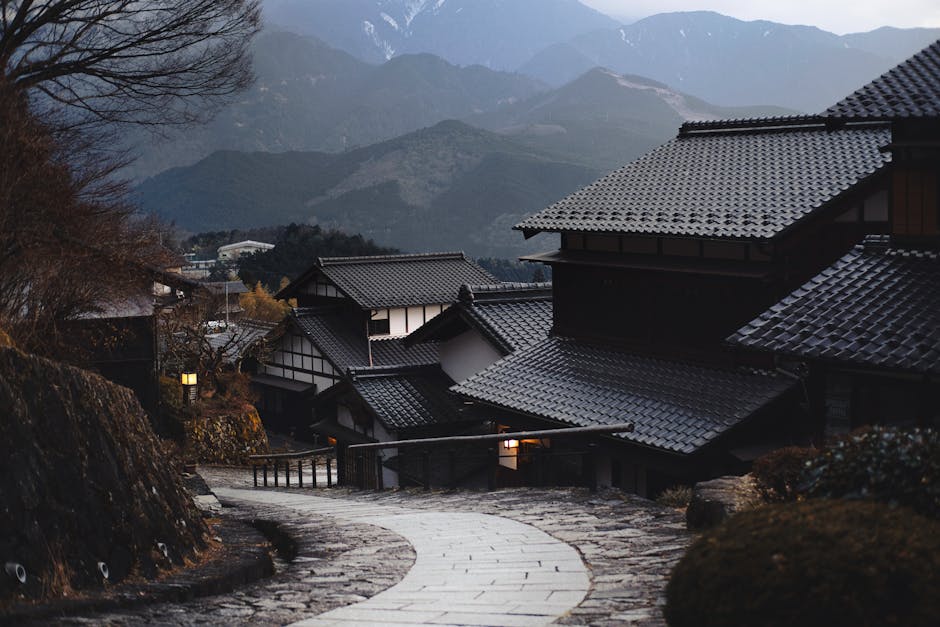
If Tokyo is electric and fast, Kiso Valley is its opposite quiet, slow, and rooted in another era. Tucked in the mountains of Nagano Prefecture, this stretch of the old Nakasendo Trail looks like it barely noticed the last two centuries passing by. You’ll find perfectly preserved post towns like Magome and Tsumago, where power lines are buried and cars take the backseat. Wooden inns creak, cobblestone paths wind gently uphill, and shopkeepers go about their day like it’s still 1720.
Hiking between Magome and Tsumago is more than just an outdoor stroll. It’s a 7.8 km journey that samurai, merchants, and pilgrims once walked, with forested trails, waterfalls, and the faint scent of hinoki cypress in the air. It’s not rugged, but it is the kind of walk where you start to slow down, notice things, breathe deeper.
Then there are the local touches. Handmade soba noodles, earthy and firm, served by someone who probably grew the buckwheat themselves. Nights spent in minshuku traditional family run guesthouses share meals cooked over a hearth, and futons rolled out by hand. No filters, no flash. Just Japan as it’s been, and in some corners, how it still dares to be.
Beppu: Japan’s Oni World of Hot Springs
Tucked into the northeastern coast of Kyushu, Beppu isn’t subtle about its natural power. With over 2,000 onsen, this city is basically steaming from every corner one of the most active geothermal areas in Japan. For vloggers hunting visual gold, the place delivers: swirling steam vents, bubbling mud, and pools in otherworldly blues and reds.
Start with the “Hells of Beppu,” a circuit of dramatic geothermal spots that aren’t for bathing but are 100% camera worthy. Blood red ponds, spouting geysers, and cobalt blue boiling springs offer an eerie, almost alien backdrop. Then switch gears and try something classic but odd: a sand bath, where you’re buried up to the neck in naturally heated sands, or a mud onsen, where nutrition rich sediment coats the body in earthy warmth. It’s weird, it’s unforgettable, and it’s way more than a spa day.
Most travelers hit up Japan’s famous hot springs but Beppu’s onsen culture is something you don’t just soak in. You capture it, react to it, and tell a story around it. For vloggers chasing depth and atmosphere, this is prime material.
Shikoku’s Iya Valley: Remote Nature and Rope Bridges
Tucked deep into the mountains of Shikoku, the Iya Valley is Japan at its most raw. It’s remote, steep, and barely touched by mass tourism. But for those who make the trip, the payoff is huge: jaw dropping gorges, misty ridgelines, and vine bridges that have hung over rivers for centuries. These bridges built from woven mountain vines aren’t just for show. Crossing one is a slightly nerve wracking, totally unforgettable experience.
The valley is a magnet for hikers, solitude seekers, and road trip junkies looking for something quieter, more elemental. Switchback roads wind through dense forest, where small villages cling to slopes like afterthoughts. You’ll find guesthouses run by locals, farming culture still alive, and baths carved into cliffside ryokan.
If Tokyo is the future, Iya feels like the past, holding steady. Bring your boots. Bring a thermos. And don’t expect great cell service out here, that’s kind of the point.
Pairing Japan with Global Gems
Japan offers countless surprising destinations beyond Tokyo but why stop there? For travelers who love exploring underrated, culturally rich places, the world is full of equally fascinating alternatives.
Discover Lesser Known European Capitals
If venturing beyond the obvious is your style, Europe has its own hidden gems waiting to be explored. From charming old towns to vibrant local scenes, some capitals fly under the radar yet offer unforgettable experiences.
Ljubljana, Slovenia A green city with riverside cafés, alpine views, and friendly locals.
Valletta, Malta Historic fortresses and Mediterranean flair, plus plenty of sunshine.
Riga, Latvia Art nouveau architecture and a growing creative scene.
Tirana, Albania Colorful buildings, mountain access, and buzzing street life.
Skopje, North Macedonia A quirky mash up of ancient ruins and bold, modern monuments.
Get Inspired
Planning a multi country trip or looking to add a lesser known stop to your itinerary? Let The Ultimate European Capitals Bucket List spark your next big adventure.
The spirit of exploration goes far beyond borders sometimes all it takes is choosing the path less traveled.
Final Travel Tips
Skip the mainline tourist routes. Instead, grab a JR regional pass options like the Hokuriku Arch or Sanyo San’in area passes unlock vast stretches of Japan most casual visitors never touch. You’ll trade packed Shinkansen cars for quiet rural platforms and unexpected detours through small towns, coastal villages, and mountain passes.
Brush up on some basic Japanese phrases. Nothing complicated just greetings, questions about trains, and how to say thank you. Locals appreciate the effort, especially in less international areas. It opens doors.
And time your visit smart. Late April and early November are prime. Cherry blossoms and autumn leaves show up in full force, but the crowds don’t. You’ll get more beauty, more calm, and cheaper stays. Choose your moment and Japan will meet you halfway.
 Ask Lucy Odumsting how they got into travel tips and guides and you'll probably get a longer answer than you expected. The short version: Lucy started doing it, got genuinely hooked, and at some point realized they had accumulated enough hard-won knowledge that it would be a waste not to share it. So they started writing.
What makes Lucy worth reading is that they skips the obvious stuff. Nobody needs another surface-level take on Travel Tips and Guides, Vacation Planning Resources, Traveler Stories and Experiences. What readers actually want is the nuance — the part that only becomes clear after you've made a few mistakes and figured out why. That's the territory Lucy operates in. The writing is direct, occasionally blunt, and always built around what's actually true rather than what sounds good in an article. They has little patience for filler, which means they's pieces tend to be denser with real information than the average post on the same subject.
Lucy doesn't write to impress anyone. They writes because they has things to say that they genuinely thinks people should hear. That motivation — basic as it sounds — produces something noticeably different from content written for clicks or word count. Readers pick up on it. The comments on Lucy's work tend to reflect that.
Ask Lucy Odumsting how they got into travel tips and guides and you'll probably get a longer answer than you expected. The short version: Lucy started doing it, got genuinely hooked, and at some point realized they had accumulated enough hard-won knowledge that it would be a waste not to share it. So they started writing.
What makes Lucy worth reading is that they skips the obvious stuff. Nobody needs another surface-level take on Travel Tips and Guides, Vacation Planning Resources, Traveler Stories and Experiences. What readers actually want is the nuance — the part that only becomes clear after you've made a few mistakes and figured out why. That's the territory Lucy operates in. The writing is direct, occasionally blunt, and always built around what's actually true rather than what sounds good in an article. They has little patience for filler, which means they's pieces tend to be denser with real information than the average post on the same subject.
Lucy doesn't write to impress anyone. They writes because they has things to say that they genuinely thinks people should hear. That motivation — basic as it sounds — produces something noticeably different from content written for clicks or word count. Readers pick up on it. The comments on Lucy's work tend to reflect that.