
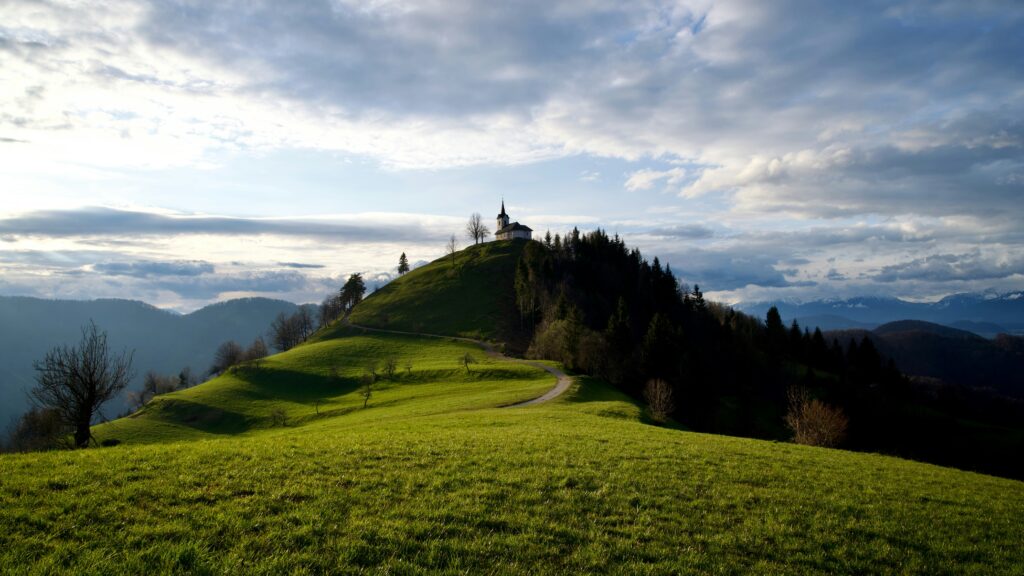
Why Hidden Gems Beat the Tourist Trail
Traveling off the beaten path offers more than just quiet scenery it offers a more authentic, affordable, and meaningful experience. Here’s why hidden gem destinations should top your list this year:
Fewer Crowds, Richer Encounters
Large tourist attractions are often packed, which can dilute the magic of a place. Choosing under the radar locations gives you the chance to truly connect with locals, surroundings, and the moment.
Skip tourist queues and enjoy unspoiled views
Discover towns where daily life hasn’t been shaped for tour buses
Spend time engaging with locals, not dodging crowds
Travel Farther on a Budget
Smaller destinations tend to offer better value. From boutique stay options to locally cooked meals, your travel dollars go further.
Lower prices on food, lodging, and unique activities
Less risk of tourist markups or inflated entrance fees
More room in your budget for extended stays or deeper exploration
Culture Without the Filter
Hidden gems show you what travel is really about: seeing life from a different perspective. Without the glossy tourism infrastructure, you’re left with experiences that feel more real.
Meet people who aren’t used to hosting tourists (in the best way)
Eat meals, hear music, and experience traditions in their true context
Walk away with stories you couldn’t have scripted
Exploring less traveled locales isn’t just a way to escape the crowds it’s a choice to travel deeper, smarter, and with more intention.
Gjirokastër, Albania
Gjirokastër doesn’t try to impress it just exists exactly as it is. This hillside town in southern Albania is all stone roofs, narrow cobbled streets, and quiet corners that haven’t changed much in a century. Walking through it feels like time slowed down. The Ottoman era homes, stacked like stone puzzles along the slope, give the city a natural fortress vibe without the drama.
Named a UNESCO World Heritage Site, Gjirokastër has avoided the selfie stick chaos you’d find in other historic towns. It’s authentic, lived in, and remarkably untouched. The kind of place where your waiter also grew up two doors down and has a story about every alley.
For something extra, time your visit with the annual folklore festival. It’s one of the region’s best kept secrets a blast of traditional music, dancing, and locals in dress who aren’t performing for tourists, but for each other. No flashy production, just culture in its native form.
Colchagua Valley, Chile
Tucked into the heart of central Chile, Colchagua Valley might just be the best wine region you’ve never heard of. It delivers big on reds Cabernet, Carmenere, Syrah with the kind of vineyard views and old world charm Napa had before the tour buses took over. But here, it’s vibe over vanity. No need for reservations months out or suit up tastings. It’s elegant without trying.
For something different, swap the tasting room for a saddle. Many estates here offer vineyard tours on horseback, winding through rows of vines with the Andes as your backdrop. It’s slow travel done right, one glass and one gallop at a time.
The kicker? The weather’s good nearly all year, and the crowds stay light, even during harvest. That means more room to breathe, fewer selfie sticks, and better conversations with locals who actually live and work the land.
Colchagua doesn’t make noise it just gets it right.
Raja Ampat, Indonesia
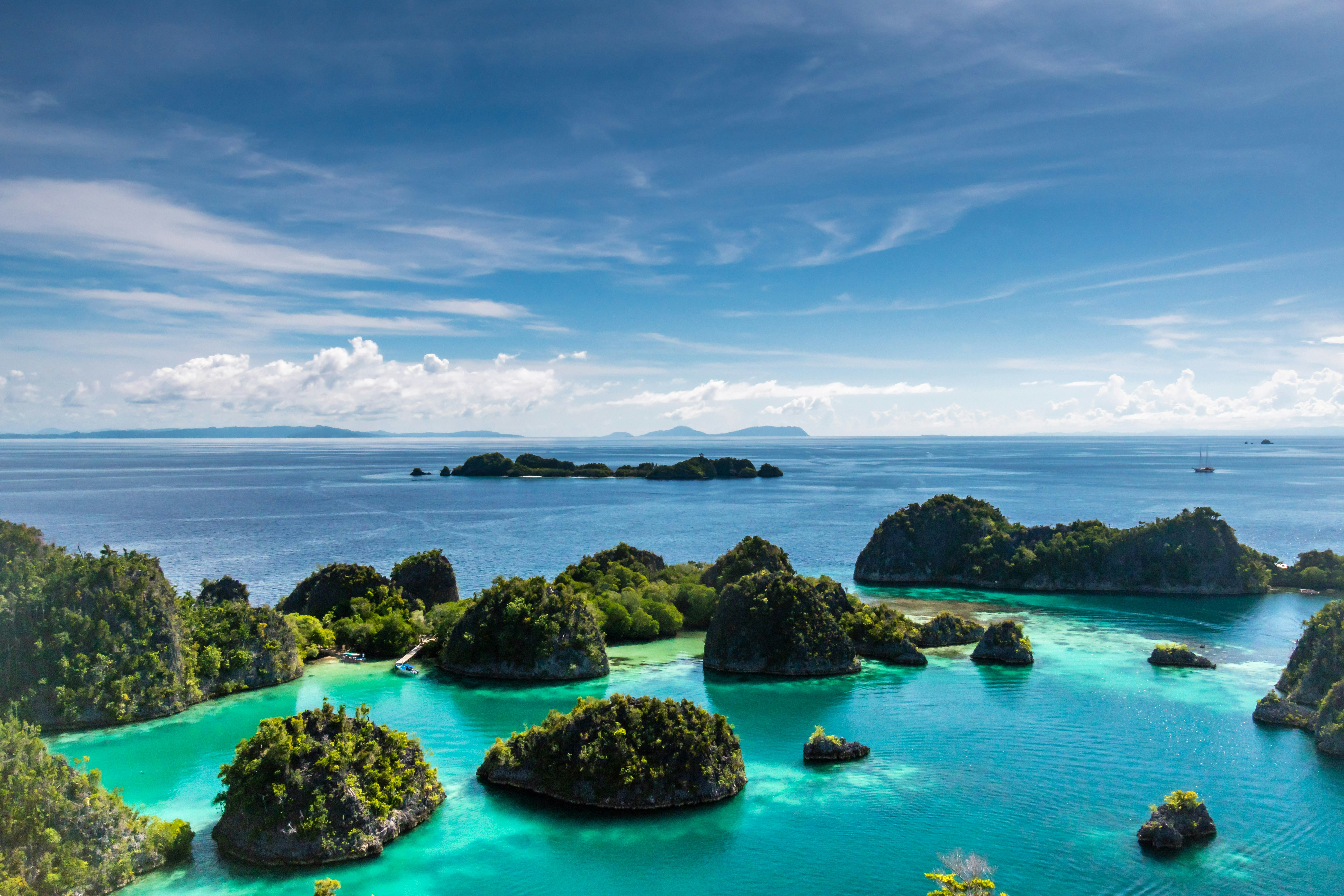
Raja Ampat isn’t just for divers it’s a marine sanctuary that feels like another planet. With over 1,500 islands and some of the most diverse underwater life on Earth, it’s where reef meets rainforest in full technicolor. Snorkeling here means swimming alongside manta rays and schools of fish in coral gardens that look untouched by time.
That’s because access is deliberately limited. Visitor numbers are capped, local permits are required, and much of the area is protected by tight regulations. It’s not the easiest place to reach which is exactly why the ecosystem stays pristine. Fewer tourists mean healthier reefs and richer experiences.
Most trips start in Sorong, the gateway city in West Papua. Flights in are limited and boat transfers take time so planning is everything. But if you want raw, unspoiled magic without the crowds, Raja Ampat is worth the effort.
Kotor, Montenegro
Tucked between rugged limestone cliffs and a dark blue bay, Kotor feels like a secret the world hasn’t quite spoiled yet. Picture all the charm of Dubrovnik stone alleys, fortified walls, red tiled roofs but without the swarm of cruise ship tourists. It’s quieter, slower, and somehow more cinematic.
This old medieval town is made for wandering. One minute you’re climbing steps carved into a fortress wall, and the next you’re drinking a strong coffee in a backstreet café where locals still run the show. When you’ve had enough history, hit the trails. Kotor’s surrounding mountains offer hiking routes with stunning overlooks of the bay, perfect for sunrise or sunset treks.
But it’s not all sweat and stone. The Adriatic is steps away, ready for lazy afternoons swimming, kayaking, or just reclining by the shore. Kotor walks the line between active and laid back so you can go full throttle or slow down, depending on the day. No guide needed. Just follow the bells and the salt air.
Ikaria, Greece
Tucked in the Aegean Sea and far from the usual Greek island hype, Ikaria runs on its own clock literally. Locals often eat dinner at midnight, and no one’s rushing anywhere. That unhurried pace is part of why it’s one of the world’s rare “Blue Zones,” where people regularly live past 90. It’s not magic it’s the daily rhythm: homegrown food, community ties, time outside, and zero obsession with the grind.
Ikaria isn’t short on natural perks either. The beaches are raw and clean, the wine is local and unfiltered, and the food tastes like it skipped the supply chain. Spend your mornings cliffside, afternoons napping, and your evenings dancing at a Panigiria festival, where whole villages eat, drink, and move together until dawn.
The hookups? Not luxury resorts, but friendly guesthouses and meals where the owner pours your wine. Come for the slow life. Stay because your blood pressure dropped and your soul finally caught up with your body.
Pro Travel Tip: Use Smart Maps to Discover More
Hidden gems don’t advertise themselves. You won’t find them on a billboard or wedged between paid ads on a big travel app. That’s the point. The real stuff the tucked away wine bars, the mountain trails only locals use, the off grid hot springs comes from digging a little deeper.
Local guides who live and breathe their regions are starting to curate sharper, more useful tools for travelers who prefer exploration over itineraries. These aren’t your generic top ten lists they’re dynamic, community vetted maps full of spots you won’t find on page one of a Google search.
For a solid starting point, check out these hidden spots maps. These guides are built to keep you off the tourist conveyor belt and put you on the path to the places people actually remember.
Keep Exploring Beyond the Obvious
Tourist guides are built to herd, not to discover. They show you what’s safe, popular, and pre packaged. But real adventure starts when you leave the brochure behind. That alley that looks too quiet? Could be hiding the best meal of your trip. That local festival no one mentions? Might be where you finally feel connected.
Curiosity is your most reliable compass. Ask questions. Stay open. Learn a few words in the local language it opens doors, literally and figuratively. Locals don’t expect fluency, but effort shows respect, and often earns you stories no guidebook carries.
The real magic? Once you find one true hidden gem, it leads to another. A quiet cove tells you about a mountain trail. A hole in the wall café mentions a forgotten art gallery. Keep refining your map. Keep chasing the stories no one else is telling.
That’s how you turn a trip into an experience and a vlog into something that actually matters.
 Vynric Dolthane is the kind of writer who genuinely cannot publish something without checking it twice. Maybe three times. They came to vacation planning resources through years of hands-on work rather than theory, which means the things they writes about — Vacation Planning Resources, Booking Advice and Deals, Travel Tips and Guides, among other areas — are things they has actually tested, questioned, and revised opinions on more than once.
That shows in the work. Vynric's pieces tend to go a level deeper than most. Not in a way that becomes unreadable, but in a way that makes you realize you'd been missing something important. They has a habit of finding the detail that everybody else glosses over and making it the center of the story — which sounds simple, but takes a rare combination of curiosity and patience to pull off consistently. The writing never feels rushed. It feels like someone who sat with the subject long enough to actually understand it.
Outside of specific topics, what Vynric cares about most is whether the reader walks away with something useful. Not impressed. Not entertained. Useful. That's a harder bar to clear than it sounds, and they clears it more often than not — which is why readers tend to remember Vynric's articles long after they've forgotten the headline.
Vynric Dolthane is the kind of writer who genuinely cannot publish something without checking it twice. Maybe three times. They came to vacation planning resources through years of hands-on work rather than theory, which means the things they writes about — Vacation Planning Resources, Booking Advice and Deals, Travel Tips and Guides, among other areas — are things they has actually tested, questioned, and revised opinions on more than once.
That shows in the work. Vynric's pieces tend to go a level deeper than most. Not in a way that becomes unreadable, but in a way that makes you realize you'd been missing something important. They has a habit of finding the detail that everybody else glosses over and making it the center of the story — which sounds simple, but takes a rare combination of curiosity and patience to pull off consistently. The writing never feels rushed. It feels like someone who sat with the subject long enough to actually understand it.
Outside of specific topics, what Vynric cares about most is whether the reader walks away with something useful. Not impressed. Not entertained. Useful. That's a harder bar to clear than it sounds, and they clears it more often than not — which is why readers tend to remember Vynric's articles long after they've forgotten the headline.