
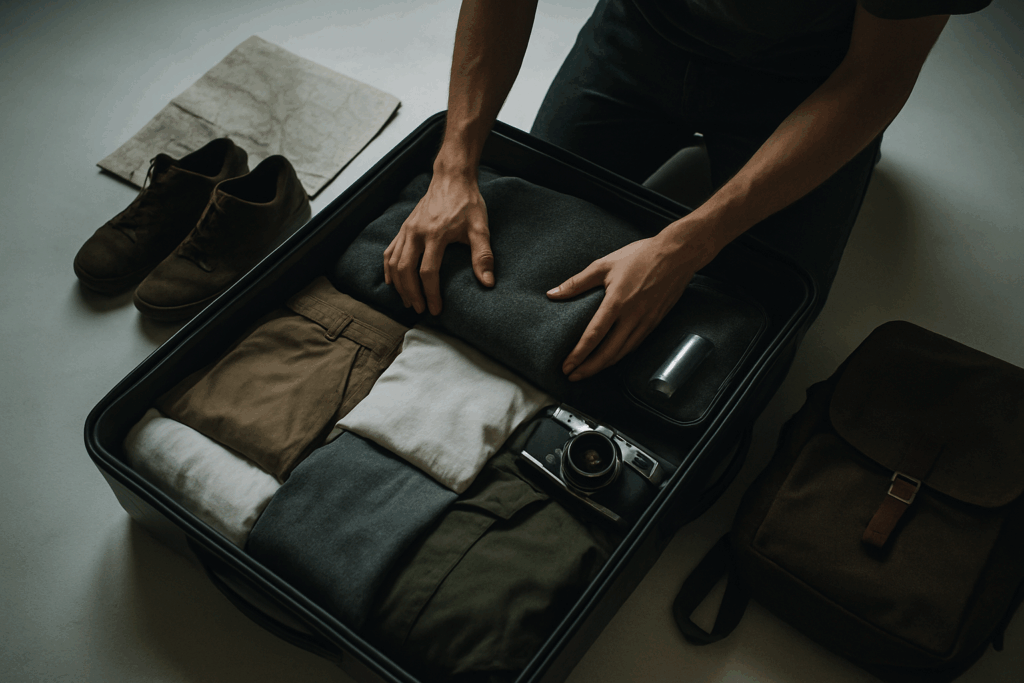
Know Your Trip Before Your Bag
Before you even unzip your suitcase, you need to get real about the kind of trip you’re taking. First step: check the weather. Not just the general vibe check the actual forecast. Making assumptions about “summer in Europe” or “it’s always warm in California” is how you end up freezing in a tank top during a freak storm or dragging a parka you didn’t need.
Next, dial in your itinerary. Walking five miles around cobblestones is not the same experience as a forest hike or a beach and book kind of vacation. Shoes are mission critical, and picking the right pair can make or break your whole trip. Know what you’ll be doing, then pack for that.
Lastly, be strict with your packing timeline. Even if you’re gone for three weeks, only pack for seven days. Why? Because you can and should do laundry. Overpacking just means hauling dead weight. Keep it lean, keep it smart. Everything else just slows you down.
The Right Bag Changes Everything
Choose a Smaller Bag Than You Think
When it comes to minimalist packing, the bag you bring sets the tone for your entire trip. A 30 40L bag is often more than enough even for longer getaways. Choosing a smaller bag forces you to prioritize what truly matters and helps avoid the temptation to overpack.
30L 40L capacity works for week long or even multi week trips
Smaller bags mean easier mobility and fewer airline hassles
Less space = smarter choices by default
Backpack vs. Rollaboard: Make the Right Call
Your travel style should determine your bag. Both backpacks and rollaboards have their perks and their drawbacks.
Backpack Pros:
Hands free convenience for walking and transit
Generally more adaptable to rougher terrain (think cobblestones or stairs)
Easier to carry when public transport is part of the plan
Backpack Cons:
Can strain your shoulders if not fitted well
Tougher to access gear quickly
Rollaboard Pros:
Smooth mobility in airports and flat urban areas
Easier to keep items neatly organized
No weight on your body
Rollaboard Cons:
Doesn’t handle uneven terrain well
Bulky in small hotel rooms, hostels, or train compartments
Choose based on your destination, comfort preferences, and travel style.
Packing Savior: Compression Cubes
Compression packing cubes help you fit more without overpacking. They don’t just organize your bag they actually reduce volume by squeezing air out of your clothes.
Great for segmenting outfits by day or type
Helps keep dirty and clean clothes separated
Use smaller cubes for underwear, socks, or accessories
Bonus tip: Even with cubes, avoid the trap of filling every inch. Leave room for souvenirs or just enjoy the ease of a lighter load.
Clothing Rules for Packing Light
When it comes to minimalist travel, your wardrobe choices make or break your packing success. Choosing versatile, functional clothing isn’t just smart it’s essential.
Use the 5 4 3 2 1 Packing Formula
This simple yet effective method keeps your clothing choices streamlined, without sacrificing variety:
5 tops Think lightweight T shirts, quick dry shirts, or dressy casual options
4 bottoms Include a combination of pants, shorts, or skirts appropriate for your activities
3 layering items Light sweaters, cardigans, or a sweatshirt depending on the climate
2 pairs of shoes One all purpose pair and one backup (sandals, sneakers, or dress shoes)
1 jacket Select one that works across multiple settings (e.g., a rain shell or a packable down jacket)
This structure works for trips lasting a week or more, especially when you plan to do laundry during your journey.
Prioritize Function Over Fashion
Your clothing needs to be comfortable, durable, and adaptable. Think:
Neutral colors Easy to mix and match, helping extend your outfit options without extra baggage
Breathable fabrics Especially important in warm or humid climates
Wrinkle resistant materials Keep you looking fresh without an iron
Travel Smart: Wear the Bulkiest Items
Save space by wearing your heaviest or largest clothing items while in transit:
Boots instead of packing them (if they’re part of your trip gear)
Your jacket or coat worn or stashed overhead during flights
This trick frees up room in your bag and keeps you extra cozy on chilly planes.
Packing light doesn’t mean sacrificing comfort or style. It means choosing with intention and dressing for flexibility.
Toiletries and Tech: Keep It Lean
This is where most people sabotage their minimalist packing goals. Travel sized doesn’t mean tossing in ten tiny bottles you never finish. Bring refillable containers filled with your go to products instead. They’re better for the environment, cost less in the long run, and you already know they work for you.
Same logic applies to function. Prioritize multi purpose items moisturizer with SPF, all in one soap for body, face, and hair. Less to pack, less to forget.
As for tech, resist the urge to bring a nest of tangled cables. A single USB hub can charge several devices at once and takes up almost no space. Think layers of usefulness, not just gadgets for every possible scenario. You’re packing smart, not for the apocalypse.
Do Laundry, Pack Half

Here’s the truth: you don’t need two weeks’ worth of clothes for a two week trip. If you’re packing light, laundry is part of the deal. Tuck a few laundry soap sheets or a small zip top pouch of powder into your bag they take up almost no space and go a long way.
Sink washing isn’t glamorous, but it works. A quick rinse and overnight dry can turn one outfit into a three day workhorse. If you’ve got access to a balcony or an A/C unit, use it for quicker drying. And don’t overlook the obvious tons of hotels and Airbnbs now have machines. Take advantage. A quick machine wash midway through your trip means you can pack half as much.
You’re not trying to win Best Dressed on day ten. You’re trying to move light, stay fresh, and spend less time hauling stuff you barely use.
Gear That Earns Its Weight
When you’re packing light, every item has to pull double duty or justify its space. These three earn their keep every time:
Foldable Daypack Your main bag lives at your stay. For day trips, hikes, markets, or beach runs, a foldable daypack is a clutch second bag that disappears into your luggage when not in use. Lightweight but surprisingly durable, it’s the backup you’ll wish you had if you skip it.
Travel Towel (Quick Dry, Compact) Hotels sometimes come up short, and hostels often expect you to bring your own towel. Quick dry towels are compact, absorbent, and won’t stay soaked. Great for workouts, beach dips, or makeshift picnic blankets. Toss one in no regrets.
Universal Adapter with Built In USB Ports Stop bringing a baggie full of country specific plugs. A compact universal adapter that covers multiple regions and has built in USB ports streamlines your charging setup. One device to rule them all, whether you’re in Berlin or Bangkok.
These three don’t take up much space, but they’ll make your trip smoother, lighter, and way more convenient.
Safety, Always
Traveling light doesn’t mean traveling careless. In fact, the less you bring, the more important each item becomes and that makes security a big deal. A lost passport or stolen credit card can derail a trip faster than bad weather.
Keep essentials close. A hidden pouch tucked under your shirt or waistband is classic for a reason it works. Stash your passport, an emergency credit card, and a bit of backup cash. That way, if your main wallet goes missing, you’re not stranded.
Travelers focused on minimalist packing often skip the safety extras, but this isn’t the place to cut corners. A few grams of added peace of mind are worth it.
For more practical ways to stay safe without overpacking, check out 10 Essential Travel Safety Tips for First Time Explorers.
Final Tip: Edit Ruthlessly
After all your careful packing, the most powerful step comes last: the edit. Whether you’re prepping for five days or five weeks, less is almost always more when it comes to minimalist travel.
Lay It Out, Then Cut It Down
Start by laying every item out in front of you. This gives you a visual overview of what you’ve packed and more importantly, what you don’t need.
Put everything on the bed or floor
Group similar items together (shirts, socks, tech, etc.)
Identify duplicates and items “just in case”
Then, make your first big move:
Cut one third of what you see.
Yes, one third. This might feel drastic, but in practice, most travelers overpack by far more than that.
Ask the Only Question That Matters
When you’re unsure about packing something, ask:
“Will I absolutely use this on the trip?”
If the answer is hesitant or vague leave it behind. Your back, your shoulders, and your future self will thank you.
Travel Lighter, Live Freer
Minimalist travel isn’t about deprivation it’s about freedom.
Fewer choices = faster mornings
Less to carry = more energy for exploring
Smaller bags = easier transit, fewer fees
In the end, you’ll realize you don’t miss the things you left behind and your trip will feel lighter in every sense of the word.
 Vynric Dolthane is the kind of writer who genuinely cannot publish something without checking it twice. Maybe three times. They came to vacation planning resources through years of hands-on work rather than theory, which means the things they writes about — Vacation Planning Resources, Booking Advice and Deals, Travel Tips and Guides, among other areas — are things they has actually tested, questioned, and revised opinions on more than once.
That shows in the work. Vynric's pieces tend to go a level deeper than most. Not in a way that becomes unreadable, but in a way that makes you realize you'd been missing something important. They has a habit of finding the detail that everybody else glosses over and making it the center of the story — which sounds simple, but takes a rare combination of curiosity and patience to pull off consistently. The writing never feels rushed. It feels like someone who sat with the subject long enough to actually understand it.
Outside of specific topics, what Vynric cares about most is whether the reader walks away with something useful. Not impressed. Not entertained. Useful. That's a harder bar to clear than it sounds, and they clears it more often than not — which is why readers tend to remember Vynric's articles long after they've forgotten the headline.
Vynric Dolthane is the kind of writer who genuinely cannot publish something without checking it twice. Maybe three times. They came to vacation planning resources through years of hands-on work rather than theory, which means the things they writes about — Vacation Planning Resources, Booking Advice and Deals, Travel Tips and Guides, among other areas — are things they has actually tested, questioned, and revised opinions on more than once.
That shows in the work. Vynric's pieces tend to go a level deeper than most. Not in a way that becomes unreadable, but in a way that makes you realize you'd been missing something important. They has a habit of finding the detail that everybody else glosses over and making it the center of the story — which sounds simple, but takes a rare combination of curiosity and patience to pull off consistently. The writing never feels rushed. It feels like someone who sat with the subject long enough to actually understand it.
Outside of specific topics, what Vynric cares about most is whether the reader walks away with something useful. Not impressed. Not entertained. Useful. That's a harder bar to clear than it sounds, and they clears it more often than not — which is why readers tend to remember Vynric's articles long after they've forgotten the headline.