
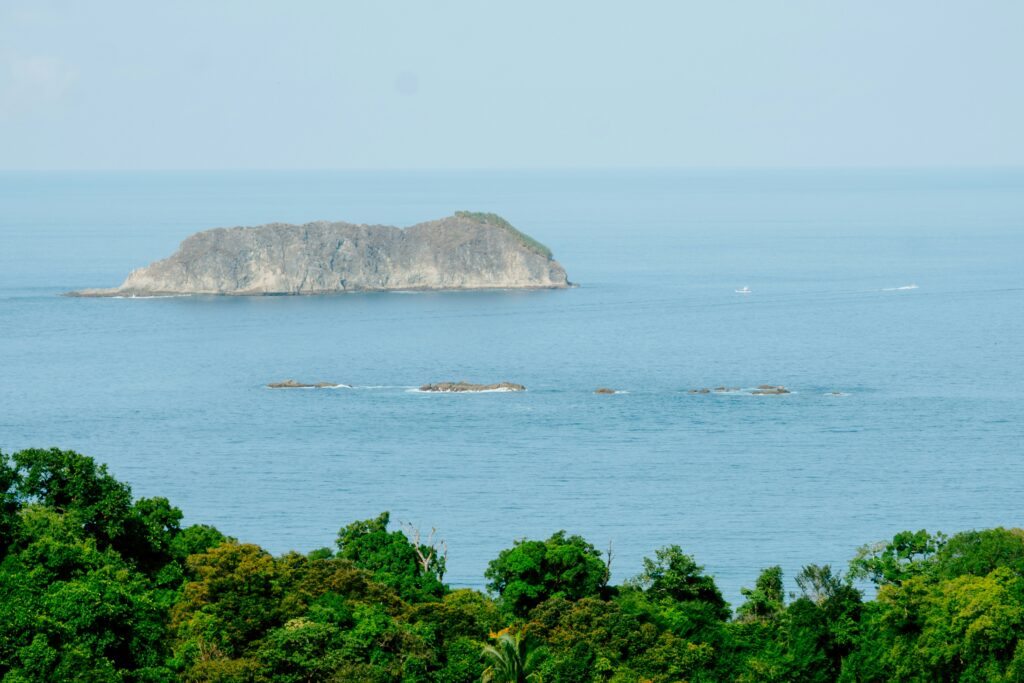
Nature at the Center
Costa Rica puts its land where its ideals are over 25% of the country is legally protected as national parks, wildlife refuges, and biological reserves. That’s not just a statistic. It’s a blueprint for how a country can prioritize long term survival over short term profit. Whether you’re hiking volcanic slopes or coasting through dense rainforest canopies, nature takes the spotlight.
The biodiversity here hits different. Scarlet macaws, howler monkeys, sloths, and thousands of plant species pack the landscapes. One day you’re trekking a smoldering volcano, the next you’re staring at sea turtles nesting under a full moon. The environments are as varied as they are striking rainforests, cloud forests, dry tropical zones, and nearly untouched beaches.
If you’re looking for a starting point, head straight for Monteverde Cloud Forest for suspended bridges and rare birds, Tortuguero National Park for canal cruises and wildlife galore, or Corcovado, which National Geographic once called “the most biologically intense place on Earth.” And the best part? It’s all preserved for the long haul.
Sustainability Isn’t a Slogan It’s Policy
Costa Rica isn’t dabbling in sustainability it’s built into the country’s framework. Over 98% of its electricity comes from renewable sources like hydro, wind, and geothermal. That’s not a PR line; that’s how lights turn on every day. And the goal is even bigger: full carbon neutrality by 2030. With concrete steps already in motion, it’s clear they’re not just setting goals to sound progressive they’re doing the work.
Tourism, one of the country’s biggest economic engines, is tightly woven into this approach. Ecotourism isn’t just encouraged it’s regulated and supported by national law. Tour operators and lodging must meet environmental standards, and stricter enforcement means greenwashing doesn’t fly here. The result? When you’re exploring the rainforest or diving off the coast, you know your visit is part of a system designed to conserve, not consume.
Eco Lodging That Walks the Talk
Costa Rica’s eco lodging scene isn’t just easy on the eyes it’s built with intention. Think solar paneled cabins tucked into the forest, or treehouse retreats that hang quietly above the jungle floor. These places are made to connect you with nature, not just market the vibe. Structures blend into the landscape, waste is handled responsibly, and water conservation is a given, not a bonus.
The real deal gets certified. The CST (Certification for Sustainable Tourism) isn’t a fancy logo it audits lodging operations from energy use to community involvement. Whether it’s preserving local biodiversity or hiring within the village, certified lodges are vetted for doing more than just talking green.
Also worth noting: many eco lodges are locally owned and family run. That means your stay helps money stay in the community, funds local schools, creates jobs, and reduces the carbon footprint that massive international resorts often leave behind. Eco lodging here isn’t a niche. It’s the norm.
Clean Eats and Low Impact

In Costa Rica, fresh isn’t a luxury it’s just how things are done. The farm to table approach isn’t a curated experience for tourists; it’s the baseline for how locals eat every day. Markets brim with organic vegetables, tropical fruits, and herbs picked that morning. Coastal towns serve fresh caught snapper or mahi mahi with little more than lime, salt, and a wood fire. You’ll find gallo pinto, ceviche, and tamales not in polished restaurants, but from street side stalls, home kitchens, and roadside sodas.
Food here is tied to place, to people, to rhythm. There’s a quiet pride in knowing where your mango came from and probably knowing the farmer who grew it. Even travelers eating on the go are rarely far from sustainable ingredients. And for those itching to graze beyond borders, nearby Latin American flavors Peruvian anticuchos, Salvadoran pupusas, Colombian arepas are just a short hop away. Tap into regional firepower with A Foodie’s Guide to the Best Street Eats Around the World, and follow your appetite from jungle trail to street cart.
Active Adventures with a Light Footprint
Costa Rica isn’t just for lounging poolside. It’s for moving on water, through the trees, and across the sand all without leaving a heavy mark. Paddle silently through coastal mangroves where herons stand guard and monkeys peer from the branches. Strap in and zip line across cloud forest canopies, where you see the treetops the way toucans do. Or catch a Pacific swell with a surfboard and nothing more.
These aren’t wild for wild’s sake pursuits. Certified eco tour operators here follow strict standards. They’re trained to respect wildlife habitats, limit group sizes, and teach visitors about the ecosystems they’re diving into. The goal: thrills that don’t trample. Whether you’re kayaking, hiking, or snorkeling, the best experiences are the ones that leave the wilderness as untouched as you found it.
Community first Travel
In Costa Rica, tourism isn’t just about sightseeing it’s about showing up in ways that matter. Indigenous and rural led tours are becoming the backbone of a travel model that actually benefits the communities on the ground. These aren’t polished performances they’re real exchanges. Whether it’s learning traditional cacao making from a Bribri family or hiking with a local guide who knows every birdcall in the forest, the focus is on listening, respecting, and supporting.
Many travelers are also rolling up their sleeves. Reforestation projects welcome visitors to plant native species in recovering ecosystems. Wildlife rescue centers offer hands on volunteer programs, typically run by locals and conservation experts who actually live the mission every day. And then there’s the humble, grounding experience of farm stays waking up on remote land, farming with the family, and sharing meals cooked from the earth just steps away.
These are not box checking experiences. They’re a shift away from extractive tourism and toward travel that regenerates not just nature, but economies and culture too.
Why It Still Leads the Pack in 2026
While the global travel industry continues shifting toward greener practices, Costa Rica remains ahead of the curve proving that environmental responsibility and tourism success are not mutually exclusive.
A Blueprint for Future Travel
Costa Rica doesn’t just follow sustainable trends it sets them. By blending ecological policy with tourism strategy, the country offers a replicable model for how destinations can thrive without compromising their natural heritage.
Sustainability is embedded in national development goals
Government collaboration with local communities fuels progress
Tourist dollars are reinvested into conservation and education
Authenticity That Resonates
What keeps eco conscious travelers returning is Costa Rica’s authenticity. Visitors aren’t just sightseeing they’re participating in a system designed to protect biodiversity and uplift local lives.
Policies are transparent and measured, not performative
Experiences are designed for both immersion and impact
There’s a clear alignment between what’s promised and what’s practiced
More Than a Destination
Travelers who choose Costa Rica aren’t just picking a vacation spot they’re supporting a larger movement. Here, travel becomes part of the solution:
Promoting carbon awareness through alternative transport and offsets
Encouraging conscious consumption via local sourcing and waste reduction
Inspiring stewardship through hands on education and ecotourism
Costa Rica isn’t just a leader in sustainable travel it’s a living example of how tourism, when done right, can be regenerative.
 Eugenette Wagnerans has opinions about hotel reviews and recommendations. Informed ones, backed by real experience — but opinions nonetheless, and they doesn't try to disguise them as neutral observation. They thinks a lot of what gets written about Hotel Reviews and Recommendations, Destination Highlights, Vacation Planning Resources is either too cautious to be useful or too confident to be credible, and they's work tends to sit deliberately in the space between those two failure modes.
Reading Eugenette's pieces, you get the sense of someone who has thought about this stuff seriously and arrived at actual conclusions — not just collected a range of perspectives and declined to pick one. That can be uncomfortable when they lands on something you disagree with. It's also why the writing is worth engaging with. Eugenette isn't interested in telling people what they want to hear. They is interested in telling them what they actually thinks, with enough reasoning behind it that you can push back if you want to. That kind of intellectual honesty is rarer than it should be.
What Eugenette is best at is the moment when a familiar topic reveals something unexpected — when the conventional wisdom turns out to be slightly off, or when a small shift in framing changes everything. They finds those moments consistently, which is why they's work tends to generate real discussion rather than just passive agreement.
Eugenette Wagnerans has opinions about hotel reviews and recommendations. Informed ones, backed by real experience — but opinions nonetheless, and they doesn't try to disguise them as neutral observation. They thinks a lot of what gets written about Hotel Reviews and Recommendations, Destination Highlights, Vacation Planning Resources is either too cautious to be useful or too confident to be credible, and they's work tends to sit deliberately in the space between those two failure modes.
Reading Eugenette's pieces, you get the sense of someone who has thought about this stuff seriously and arrived at actual conclusions — not just collected a range of perspectives and declined to pick one. That can be uncomfortable when they lands on something you disagree with. It's also why the writing is worth engaging with. Eugenette isn't interested in telling people what they want to hear. They is interested in telling them what they actually thinks, with enough reasoning behind it that you can push back if you want to. That kind of intellectual honesty is rarer than it should be.
What Eugenette is best at is the moment when a familiar topic reveals something unexpected — when the conventional wisdom turns out to be slightly off, or when a small shift in framing changes everything. They finds those moments consistently, which is why they's work tends to generate real discussion rather than just passive agreement.