
Know Your Trip
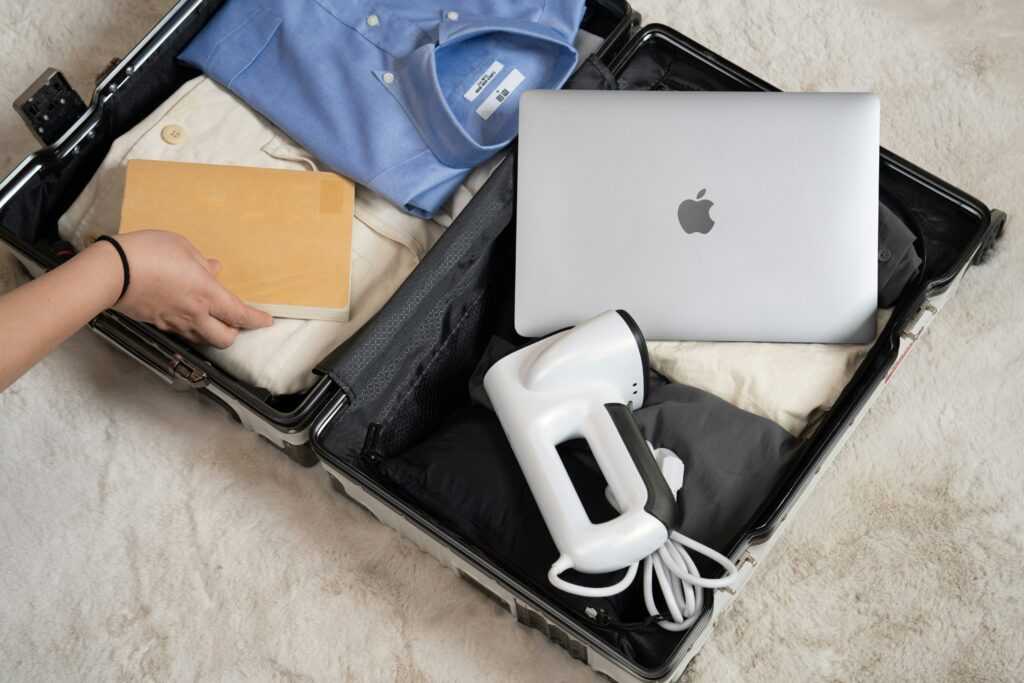
Before throwing things into a suitcase, know where you’re going. Sounds obvious, but too many travelers treat packing like guesswork. Check the weather not just for today, but for the full stretch of your trip. Don’t pack a winter coat for rain. Don’t bring sandals for snow.
Next, get a grip on the culture. Are shoulders expected to be covered in public spaces? Will you be walking miles a day or lounging at the resort? Align your outfits with your itinerary. The more you blend in and stay comfortable, the easier your travels get.
When it comes to clothing, go for pieces that can pull double duty. A dark tee can hit both the hiking trail and dinner. A scarf is warmth on a plane, and a style piece by night. Think function over fashion and when you can get both, that’s a win. Versatility isn’t just smart. It’s freedom from overpacking.
Use a Packing Checklist
Think of a packing checklist as your pre trip insurance policy. Start by creating a master list you can return to every time you travel. It should include the essentials clothing, toiletries, electronics, documents but stay flexible. Every trip is different, so trim or add based on purpose, climate, and duration. A mountain weekend doesn’t need dress shoes, and a city conference likely won’t require hiking socks.
Apps like PackPoint or Travel List let you build template checklists you can tweak on the fly. Prefer paper? Printable versions work just as well just keep a few copies on hand. The goal isn’t perfection. It’s avoiding the 1 a.m. panic when you realize your charger or passport is still sitting on the kitchen table. A checklist cuts the chaos and helps you pack like it’s not your first rodeo because soon, it won’t be.
Hard shell vs. Soft shell: Which Fits Your Travel Style?
Choosing between hard shell and soft shell luggage isn’t just about looks it’s about how you move. If you’re the type to toss your bag into a crowded bus, brave rough weather, or check your luggage often, a hard shell offers better protection. It handles dings, keeps its shape, and usually adds a bit of water resistance. Downsides? Less flexibility and often a little heavier.
Soft shells, on the other hand, flex. Literally. They often weigh less and have bonus external pockets great if you’re zipping through airports or fitting your bag into tight spots. Just know: they’re not as rugged, and they won’t keep your stuff bone dry in a downpour.
Whichever you choose, here’s the real rule: don’t overpack it. Leave buffer space in your bag you’ll need it. Whether it’s for a jacket you bought on a whim or snacks you couldn’t resist bringing home, that extra room saves hassle and excess baggage fees. Pack light, move fast, and leave space for surprises.
Roll, Don’t Fold
Rolling your clothes isn’t just a hack it’s one of the simplest ways to save space and keep those wrinkle lines from setting in. Shirts and pants take up less room when rolled tightly, and they stack cleaner in any suitcase or backpack. You get better visibility, too, so you’re not wrecking your packing job every time you dig for a clean T shirt.
And don’t ignore the dead space. Shoes are basically hollow storage bins when you think about it. Stuff socks, belts, chargers anything small and soft right inside. It keeps them together and gives your footwear more structure, protecting their shape in the process.
It’s efficient, simple, and just plain smart. Less bulk, fewer surprises when you unpack.
Stick to Travel Friendly Fabrics
Not all clothes are built for the road. Quick dry, wrinkle resistant fabrics are your best bet for staying polished without a steamer. Think polyester blends, merino wool, or performance wear with stretch. These materials breathe well, pack tighter, and don’t punish you for stuffing them into a carry on at the last minute. They’re also easy to hand wash in a hotel sink and hang dry overnight that’s one less laundry stop.
Keep your color palette simple. Neutrals like black, navy, gray, and beige can be mixed and matched into multiple outfits without clashing. Three tops, two bottoms, one jacket if they all work together, you’ve got a week’s worth of combos without looking like a repeat. Less stress, less bulk, more flexibility.
Organize with Packing Cubes

Packing cubes aren’t just trendy they actually work. Use one cube for shirts, another for underwear and socks, and a third for gadgets or chargers. Keeping categories separated makes sure you’re not digging through your entire bag every time you need something basic.
This especially pays off when you’re switching hotels every few days. Instead of repacking from scratch, you just pull out what you need, cube by cube. It’s clean, simple, and takes the edge off living out of a suitcase. Travel light, but pack smart.
Follow the 3 1 1 Rule for Liquids
Airport security doesn’t mess around, and the TSA’s 3 1 1 rule is still the law of the land. That means any liquids, gels, or aerosols you carry on must be in containers no larger than 3.4 ounces (100 milliliters), and they all need to fit into one clear, quart sized zip top bag. One bag per person no exceptions. Overdo it, and you’ll be tossing stuff at the checkpoint.
The easier workaround? Consider going dry. Shampoo bars, solid lotion sticks, toothpaste tablets they travel well, don’t leak, and don’t eat into your liquid allowance. Bonus: they’re usually lighter and eco friendlier too. If you want less hassle and more space, this is the way.
Keep Essential Documents Handy
Traveling stress free starts with knowing your important documents are secure and accessible. One misplaced passport or missing reservation detail can turn into a major disruption. Staying organized here pays off big.
What to Keep With You
Always keep these key documents in your carry on or personal item not your checked bag:
Passport and/or national ID (check both depending on your destination)
Travel insurance information (printed and digital)
Flight and hotel confirmations
Local transport or tour reservations
Keep them in a single travel wallet or folder for easy access during check ins and customs.
Backups Are Non Negotiable
Paper gets lost. Phones die. Be ready:
Store digital copies in a cloud based app or an email folder you can access offline
Bring printed copies and place them separately in your luggage
Use password protection for sensitive files if storing online
With everything in order, you’ll spend less time fumbling through bags and more time actually enjoying your trip.
Prep a Personal Item Like a Pro
Your carry on isn’t just for convenience it’s your backup plan. Pack the non negotiables: a change of underwear, basic toiletries, charger, key medications, and something to keep your brain busy like a book or offline entertainment. If your main bag disappears for a day (or three), this little kit keeps you functional and sane.
Keep it light, but think practically. A small pouch of essentials beats digging through a top heavy suitcase in an airport bathroom. If you can’t function for 24 hours without it, it goes in your personal item. End of story.
Pack Smart, Not More
Here’s the hard truth: that “just in case” third pair of shoes? You won’t wear them. Most travelers end up rotating between one versatile pair and maybe a backup. Extra footwear eats up space and adds weight both things you’ll regret dragging through terminals or stuffing into overhead bins.
Same goes for the eighth shirt or fifth pair of pants. Unless you’re headed somewhere without laundry access for weeks, pack lean and wash mid trip. Most hotels, hostels, and Airbnbs offer laundry options. Or hit a laundromat it’s cheaper than checking a bag. You’ll move quicker, stress less, and still look pulled together.
Skip the excess. Travel light. Your back will thank you.
 Eugenette Wagnerans has opinions about hotel reviews and recommendations. Informed ones, backed by real experience — but opinions nonetheless, and they doesn't try to disguise them as neutral observation. They thinks a lot of what gets written about Hotel Reviews and Recommendations, Destination Highlights, Vacation Planning Resources is either too cautious to be useful or too confident to be credible, and they's work tends to sit deliberately in the space between those two failure modes.
Reading Eugenette's pieces, you get the sense of someone who has thought about this stuff seriously and arrived at actual conclusions — not just collected a range of perspectives and declined to pick one. That can be uncomfortable when they lands on something you disagree with. It's also why the writing is worth engaging with. Eugenette isn't interested in telling people what they want to hear. They is interested in telling them what they actually thinks, with enough reasoning behind it that you can push back if you want to. That kind of intellectual honesty is rarer than it should be.
What Eugenette is best at is the moment when a familiar topic reveals something unexpected — when the conventional wisdom turns out to be slightly off, or when a small shift in framing changes everything. They finds those moments consistently, which is why they's work tends to generate real discussion rather than just passive agreement.
Eugenette Wagnerans has opinions about hotel reviews and recommendations. Informed ones, backed by real experience — but opinions nonetheless, and they doesn't try to disguise them as neutral observation. They thinks a lot of what gets written about Hotel Reviews and Recommendations, Destination Highlights, Vacation Planning Resources is either too cautious to be useful or too confident to be credible, and they's work tends to sit deliberately in the space between those two failure modes.
Reading Eugenette's pieces, you get the sense of someone who has thought about this stuff seriously and arrived at actual conclusions — not just collected a range of perspectives and declined to pick one. That can be uncomfortable when they lands on something you disagree with. It's also why the writing is worth engaging with. Eugenette isn't interested in telling people what they want to hear. They is interested in telling them what they actually thinks, with enough reasoning behind it that you can push back if you want to. That kind of intellectual honesty is rarer than it should be.
What Eugenette is best at is the moment when a familiar topic reveals something unexpected — when the conventional wisdom turns out to be slightly off, or when a small shift in framing changes everything. They finds those moments consistently, which is why they's work tends to generate real discussion rather than just passive agreement.