
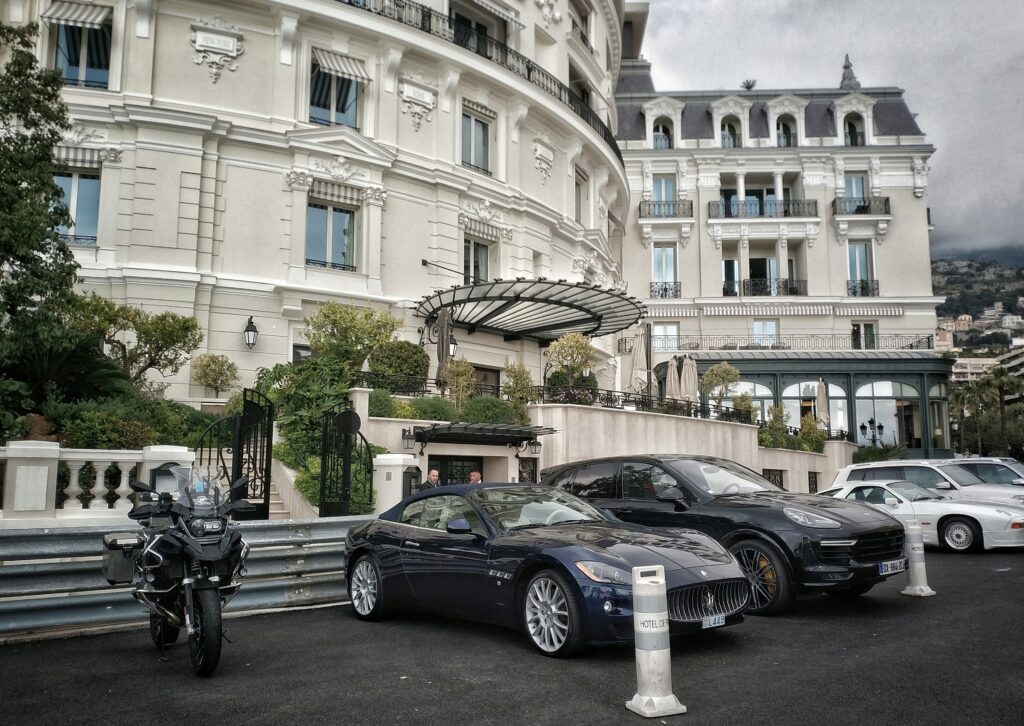
What Defines Luxury in 2026
Luxury travel has shed its obsession with gold plated everything. In 2026, it’s not about flash it’s about fit. Travelers want experiences that speak to them personally, not cookie cutter opulence. That shift is reshaping everything from in room amenities to hotel architecture.
Personalization now sits at the top of the luxury pyramid. Guests expect staff to know their dietary preferences, sleep patterns, and even mood triggers before they arrive. Leading chains deliver this through refined hospitality backed by data seamless but never robotic.
Equally important is the pivot to experience first travel. High end guests are choosing wellness retreats over shopping tours, artist led workshops over generic excursions, and properties that prioritize local culture, sustainability, and emotional recharge. A beachfront villa is nice. A beachfront villa that donates to a reef restoration project and hosts sunset sound baths? Better.
Technology is the backbone of this seamless, purposeful luxury. AI concierges handle everything from dinner reservations to preemptive room adjustments based on wearable trackers. Smart rooms respond to gestures, voices, and preferences. Biometric check in skips paperwork and queues entirely.
The modern luxury traveler wants fewer frills, more meaning and from check in to turndown, hotel brands are starting to get the message.
Aman Resorts
Aman has never been about flash. It’s about stillness, space, and an almost stubborn dedication to privacy. In 2026, that low key luxury continues to resonate especially among travelers burned out on overbooked itineraries and overstimulated cities.
This year, the buzz is around immersive wellness and off grid serenity. Think of it as structured stillness. Guests aren’t just booking suites they’re signing up for silent retreats, forest bathing, thermal detoxes, or multi day wellness rituals that make jet lag feel irrelevant. Aman Tokyo remains a sanctuary in the sky, balancing sleek minimalism with Japanese ritual. Amanzoe in Greece, with its private villas and hilltop views, is the go to for those chasing inspiration in isolation.
It’s clear why Aman doesn’t chase trends it sets them quietly. Privacy isn’t an amenity here; it’s the brand. And that ethos is more valuable than ever in a world that rarely stops moving.
Key Considerations When Booking in 2026

Luxury hotels in 2026 can talk the talk but travelers need to know who’s walking it. Sustainability claims are everywhere now, but not all are created equal. Some properties tout green slogans but operate on fossil heavy infrastructure. The real players are sourcing locally, investing in renewable energy, and cutting waste without making a show of it. Look for third party certifications, not just glossy language in brochures.
Loyalty programs are also evolving finally. Travelers want perks that matter, not just a bottle of prosecco and late checkout. Smart chains are offering meaningful upgrades: guaranteed room availability during peak times, spa credits that don’t expire, and status that sticks based on actual spend, not just number of nights.
And that glossy PDF titled “included amenities”? Read it closely. Some hotel brands still nickel and dime you once you arrive. Others quietly include airport pickups, unlimited spa access, or chef led dining experiences. In 2026, true luxury means transparency. The value’s in the details and savvy travelers know exactly where to look.
Final Metrics to Watch
Comparing luxury across global locations isn’t just about décor and service it comes down to consistency. Price parity is the first red flag to look for. With dynamic pricing models becoming more aggressive, some chains now show vast rate differences for similar experiences, depending on region. In 2026, true luxury means transparent pricing that reflects quality, not geography. Four Seasons and Aman tend to hold their ground here, while others Ritz Carlton included vary more widely across markets.
Guest satisfaction matters more than brand polish. Verified reviews from platforms like TrustYou and ReviewPro continue to cut through the marketing fog. Travelers don’t want promises they want proof. Rosewood leads the pack in sustained five star feedback, especially in “emerging luxury” cities like Cartagena and Ho Chi Minh. Meanwhile, some legacy chains, despite aesthetic upgrades, still struggle with operational consistency.
Innovation is also separating contenders from coasters. It’s not enough to slap on a smart thermostat and call it progress. Aman and Rosewood are rebuilding the guest experience from the ground up, pushing into full sensory wellness and tech light personalization. Others remain locked in older standards that may look elegant but feel dated. In 2026, the brands winning loyalty are the ones still evolving quietly, thoughtfully, and with intent.
In 2026, booking a luxury hotel goes well beyond thread counts and skyline views. The landscape has shifted. Travelers now want more than pampering they want to feel aligned. Whether it’s a regenerative retreat in the mountains or a wired up suite in the city, luxury is about fit. Precision over pomp. Depth over dazzle.
The chains leading the way are the ones that get personal fast. They know your sleep schedule, your dietary preferences, the playlist you want as you walk in. They’re building experiences that don’t just impress they connect. And that means as a traveler, you need to be just as intentional. What matters more to you: cultural relevance or cutting edge tech? Healing silence or tailored service?
Choosing a luxury brand in 2026 is like choosing a philosophy. You’re not just checking in. You’re declaring how you want to feel and who you want helping you feel it.
 Eugenette Wagnerans has opinions about hotel reviews and recommendations. Informed ones, backed by real experience — but opinions nonetheless, and they doesn't try to disguise them as neutral observation. They thinks a lot of what gets written about Hotel Reviews and Recommendations, Destination Highlights, Vacation Planning Resources is either too cautious to be useful or too confident to be credible, and they's work tends to sit deliberately in the space between those two failure modes.
Reading Eugenette's pieces, you get the sense of someone who has thought about this stuff seriously and arrived at actual conclusions — not just collected a range of perspectives and declined to pick one. That can be uncomfortable when they lands on something you disagree with. It's also why the writing is worth engaging with. Eugenette isn't interested in telling people what they want to hear. They is interested in telling them what they actually thinks, with enough reasoning behind it that you can push back if you want to. That kind of intellectual honesty is rarer than it should be.
What Eugenette is best at is the moment when a familiar topic reveals something unexpected — when the conventional wisdom turns out to be slightly off, or when a small shift in framing changes everything. They finds those moments consistently, which is why they's work tends to generate real discussion rather than just passive agreement.
Eugenette Wagnerans has opinions about hotel reviews and recommendations. Informed ones, backed by real experience — but opinions nonetheless, and they doesn't try to disguise them as neutral observation. They thinks a lot of what gets written about Hotel Reviews and Recommendations, Destination Highlights, Vacation Planning Resources is either too cautious to be useful or too confident to be credible, and they's work tends to sit deliberately in the space between those two failure modes.
Reading Eugenette's pieces, you get the sense of someone who has thought about this stuff seriously and arrived at actual conclusions — not just collected a range of perspectives and declined to pick one. That can be uncomfortable when they lands on something you disagree with. It's also why the writing is worth engaging with. Eugenette isn't interested in telling people what they want to hear. They is interested in telling them what they actually thinks, with enough reasoning behind it that you can push back if you want to. That kind of intellectual honesty is rarer than it should be.
What Eugenette is best at is the moment when a familiar topic reveals something unexpected — when the conventional wisdom turns out to be slightly off, or when a small shift in framing changes everything. They finds those moments consistently, which is why they's work tends to generate real discussion rather than just passive agreement.